5 Food and Beverage Meta Ad Examples: Show Taste, Occasions, and Product Differences
Have packshots but no fresh ad concepts? These five hypothetical examples can help. Choose a layout that fits your existing assets, then follow the steps to create English-language image and video ads in AdForge.
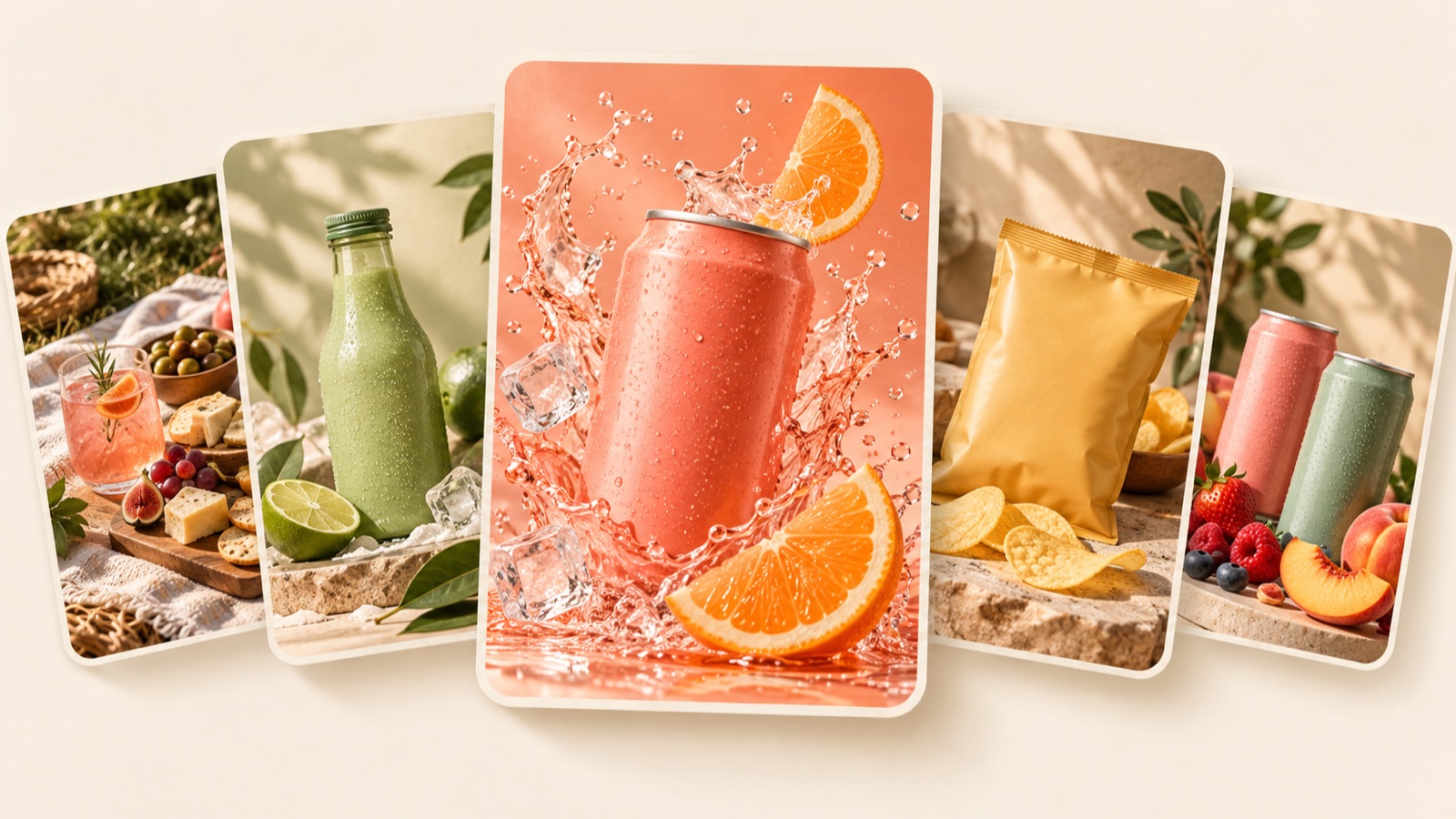
If you’re looking for food and beverage Meta ad examples, start by choosing a concept that answers one question shoppers have before buying, using the photos and videos you already have. Packshots can show the product category and differences between products, cutaway photos can show texture, and existing footage of people eating or drinking can show consumption occasions. All five examples below are hypothetical. Each explains when to use the concept, which assets to swap in, and how to produce it in AdForge.
1. A snack ad that shows texture with a cutaway
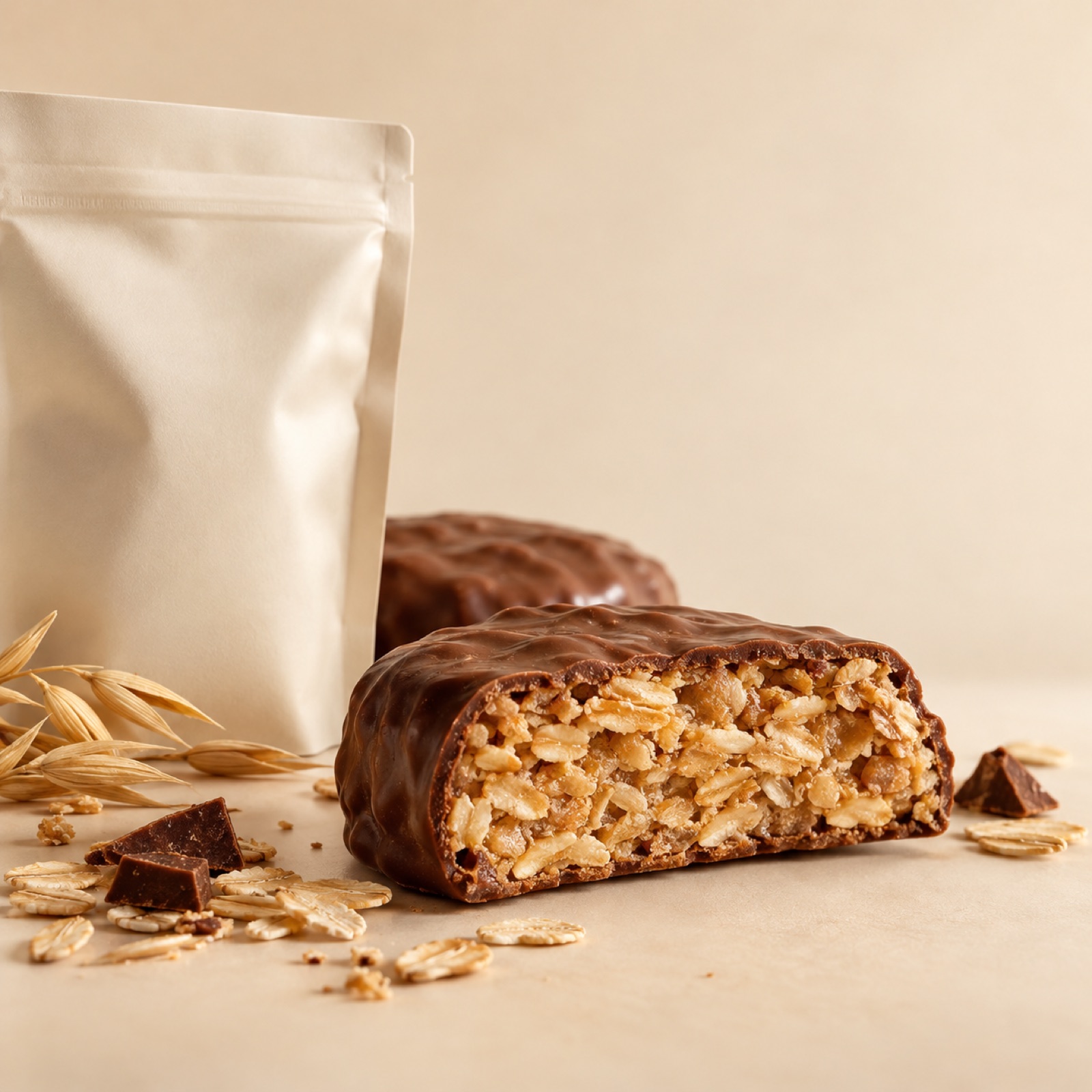
This is a hypothetical example. Place a packshot of a chocolate-coated oat snack in the lower left, with a large photo of the actual product cut open in the center. Use a clean cream background and keep the English copy short, describing only verified textures—for example, “Crisp outside. Chewy inside.” Official TikTok resources also introduce approaches built around product showcases, ingredients, and taste. Here, that idea is adapted into a Meta ad concept.3
The purpose of this layout is to show the internal texture that packaging alone cannot reveal. To adapt it for your product, use a cutaway photo that accurately shows the coating, filling, and how the product breaks apart. If you don’t have a cutaway photo, choose another concept instead of trying to make a packshot work by enlarging it. In AdForge, choose an image reference centered on a large product photo, then add your actual packshot, cutaway photo, and verified texture description. Review the three generated variations to check that the product’s shape and the copy match your source materials.
2. A breakfast food ad that explains what you’re selling first
This is a hypothetical example. Instead of showing only a pouch of an unfamiliar powder product, place a bowl of prepared oatmeal in the center with the package standing beside it. Put “Just add hot water.” at the top and “Instant oatmeal” at the bottom. Use these lines only if they accurately reflect the preparation instructions and product category. Food and beverage ad examples published by the agency Biddyco offer a reference for this approach through ads that explain Huel’s product category.2
This concept starts from the assumption that consumers may recognize a product name without knowing how to eat it. It suits unfamiliar foods or products in a new format. For your product, choose the actual serving format—a bowl, cup, or plate—and describe the preparation method in one sentence. In AdForge, select an image reference that combines a product photo with explanatory copy. Upload photos of the package and prepared food, enter the product category and preparation information, then choose the variation that makes it immediately clear what the product is.
3. A beverage video built around an afternoon snack break
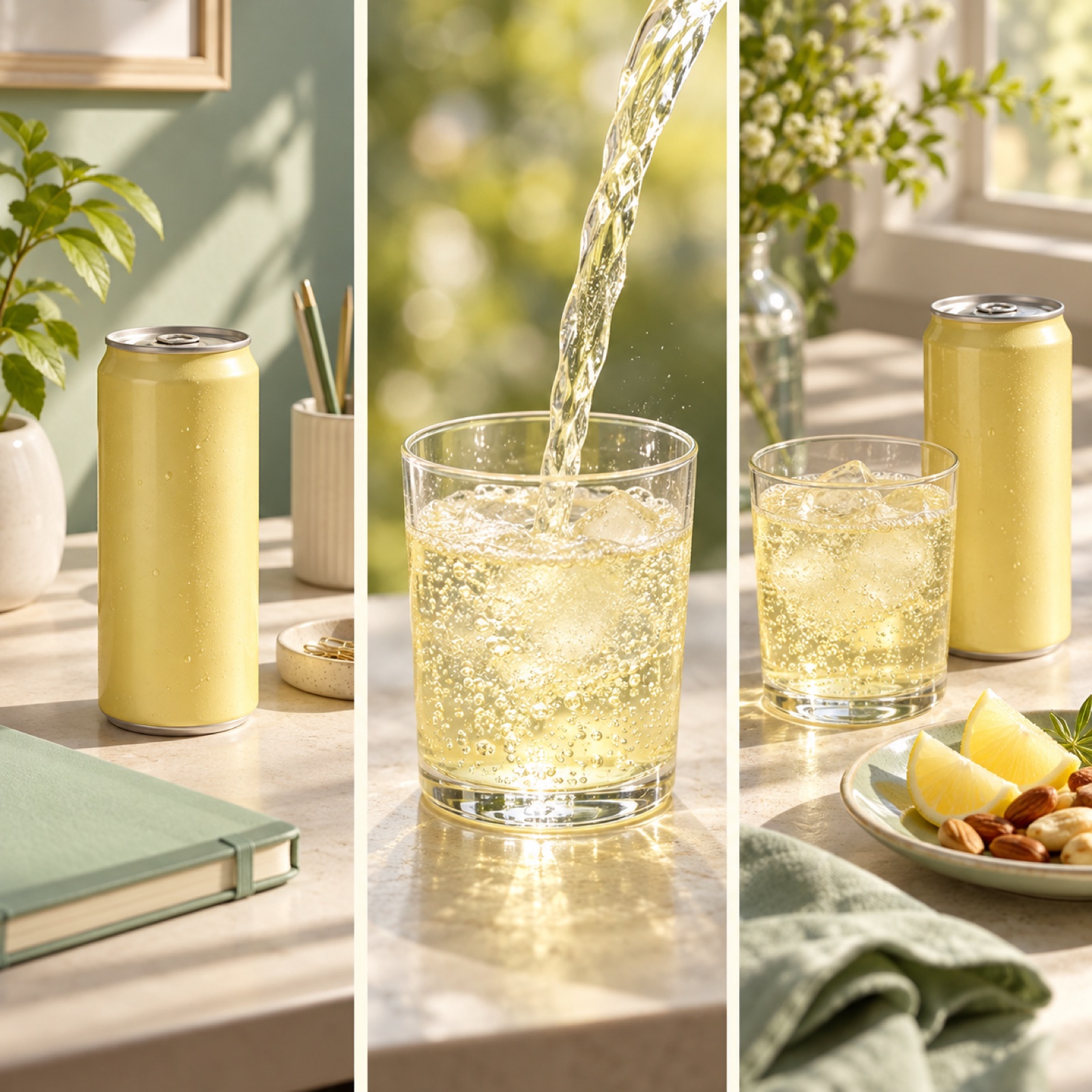
This is a hypothetical example. Use existing footage of a carbonated drink to build a sequence: a photo of the can beside a desk, a shot of the drink being poured into a glass, and a shot of it alongside a snack. Open with “Your afternoon snack, meet citrus fizz.” and end by showing the flavors and products actually available for sale. Official TikTok resources introduce approaches that focus on usage occasions or create a new version of existing assets by changing the narration.3
Rather than giving a lengthy description of the flavor, this example suggests when to drink the product. To adapt it, choose one occasion for which you have actual assets, such as exercise, relaxation, or a meal. Do not add claims about boosting energy or improving concentration. In AdForge, choose a video reference that establishes an occasion before introducing the product, then upload your existing photos and videos. Check the scene order in the English script and storyboard, and review whether the AI narration and subtitles match what is actually shown.
4. An alternative beverage ad placed alongside a familiar choice
This is a hypothetical example. To introduce a grain-based beverage served hot, place a cup on a breakfast table on the left side of the image, with the product package and prepared drink on the right. Suggest a new option with copy such as “A different cup for your morning.” Biddyco’s published examples offer a reference in MUD\WTR’s alternative beverage messaging. They do not provide a basis for applying that brand’s health-related claims to another product.2
The purpose of this concept is to explain when someone might choose your product within an existing routine. You can create it without claiming that the product is healthier or better than a competitor. For your product, include the actual way it is consumed and the reason to choose it. For example, distinguish between a product mixed with hot water and one to which milk is added. In AdForge, choose an image reference divided into two areas, then add actual product photos and assets showing how it is consumed. Check that the resulting images do not imply an unsupported claim that one option is better than the other.
5. A choice-focused ad that shows flavor differences in one image
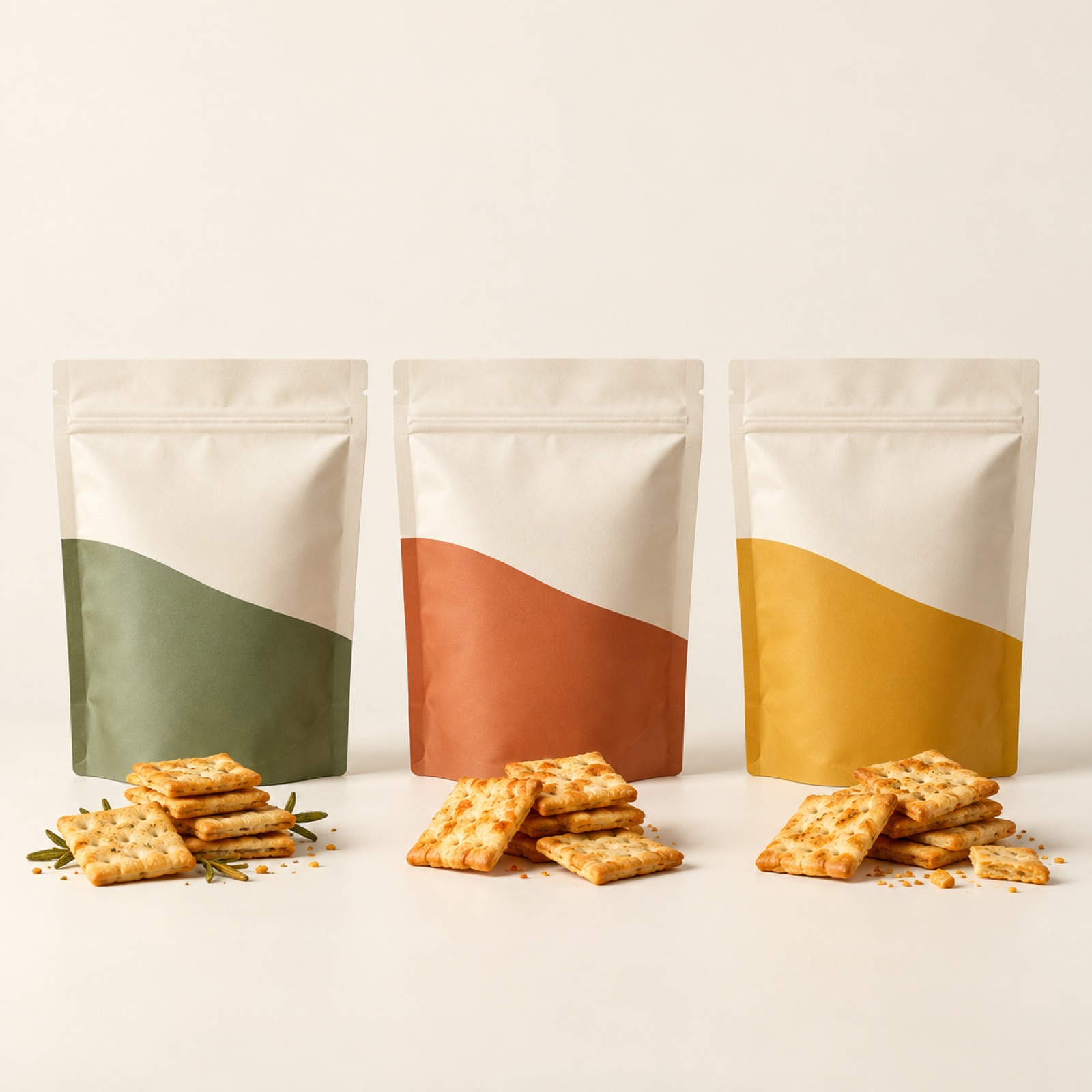
This is a hypothetical example. If you sell crackers in three flavors, place the three actual packages side by side at the same size on an ivory background. Write the verified flavor name below each product and put “Which flavor goes in your snack drawer?” at the top. This concept helps explain which product to choose from a range. If you lack assets for each flavor or have only one product, choose one of the single-product concepts above instead of forcing additional varieties into the ad.
In AdForge, first search for food ads in the Meta and TikTok ad libraries and save an image ad with products arranged side by side. Review the saved ad’s layout and color analysis to choose a composition to reference. At the product information stage, populate the details using the product page address, verify the flavor names and available product configurations, and upload product photos you have permission to use. Review the packaging colors, product count, and English wording in the three image ad outputs, then download them. Upload the finished creative directly to your existing ad management tool.
Key takeaways
Use packshots to show product categories and choices, cutaway photos to show texture, and existing video to show consumption occasions. Choose one example that your existing assets can support and replace its details with actual product information to develop a new English-language ad concept.
FAQ
Should I start with image or video ads for food and beverage products on Meta?
If you have only packshots and verified product descriptions, start with an image that shows the product category or differences in flavor. If you have existing footage showing visible changes, such as pouring, mixing, or eating, a video concept is a good fit. Choose based on whether your assets can answer a question shoppers have before buying.
Is there a particular type of ad creative that works best?
The provided sources do not establish that one format outperforms another. Practitioners also discuss food and beverage creative formats and hooks, but performance claims in comments are not verified comparative results.1 Compare different concepts using the same product and offer, and check performance in your existing ad management tool.
Can I create English-language ads from Korean product materials?
AdForge can create English scripts, narration, and subtitles. Enter the product information and selling points, then review the generated script. Adjust flavor names, preparation methods, and available product configurations to match the actual product, and check the package wording shown on screen separately.
Can I prepare a video ad using only product photos?
You can create a video ad in AdForge by adding product photos and a message. Review the generated script and storyboard to check that your existing assets can support the scenes. For concepts that need to demonstrate actual texture or preparation results, it is best to obtain those assets before using the concept.
Related reading
- Competitor Ad Remake Tools Compared: 5 Options by Production Workflow
- How to Create Video Ads from App Screens: English Ads for TikTok and Reels
Make your next ad with AdForge
AdForge (ad-forge.io) is an ad remake app: pick an ad you like and rebuild it as a video or image ad for your own product. Find references in the Meta and TikTok ad libraries, let AdForge write the script, AI narration and captions, then review and download. Every account starts with 12 free image ads.