5 Pillow Video Ad Examples You Can Make with Product Photos and Short Clips
Use side-view photos to explain pillow height and cover footage to show care instructions. Each example covers the opening shot, the sequence of information, the assets to prepare, and the production process in AdForge.
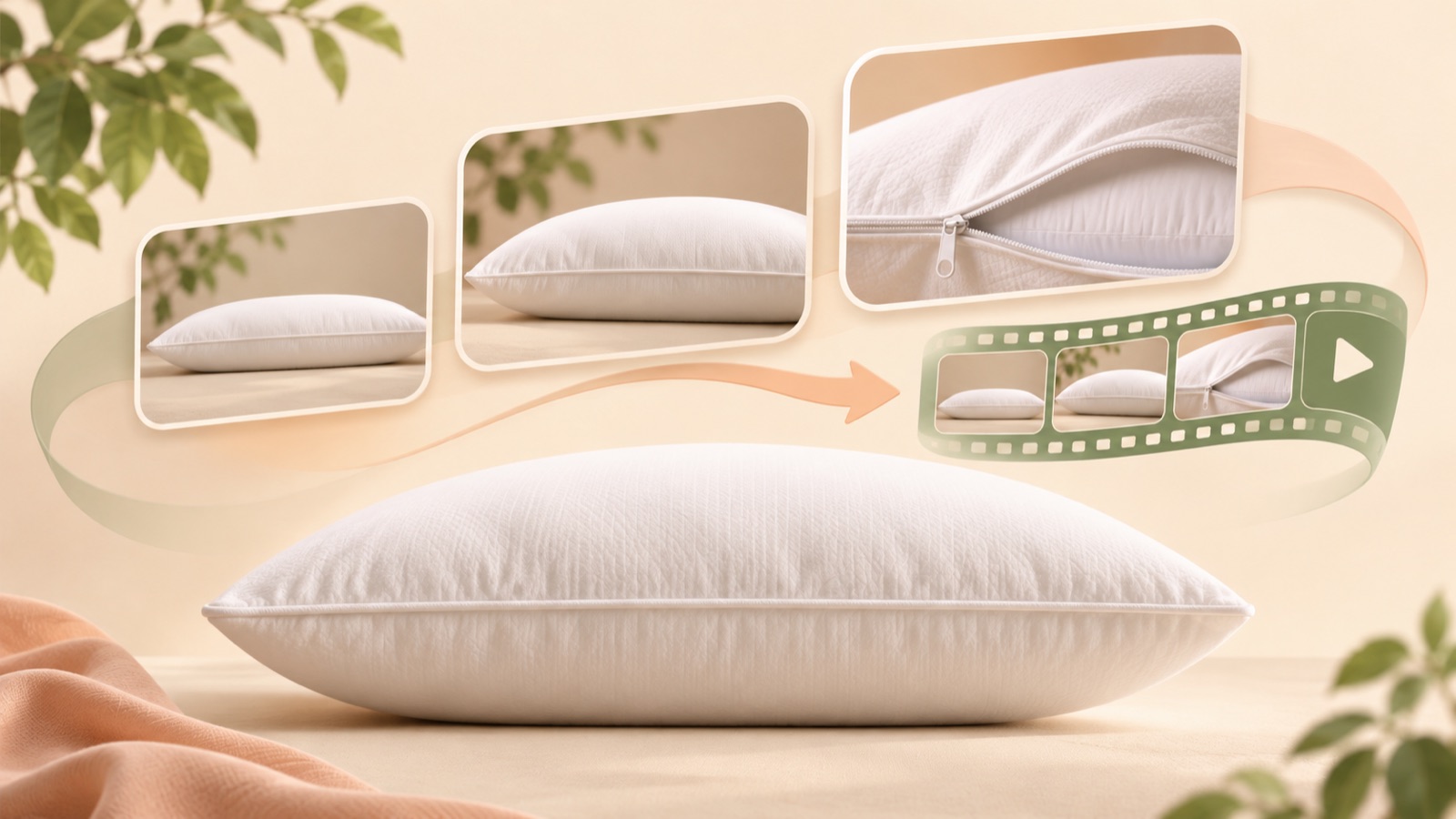
If you’re looking for pillow video ad examples, start with the assets you already have. A side-view photo can support a height explainer, surface footage can support a material detail video, and a bedroom photo can support a usage-setting video. All five examples below are hypothetical. Compare their opening shots, information sequences, and required assets, choose one, and see how to turn it into a Korean-language video ad draft in AdForge.
1. A height explainer that opens with a side view
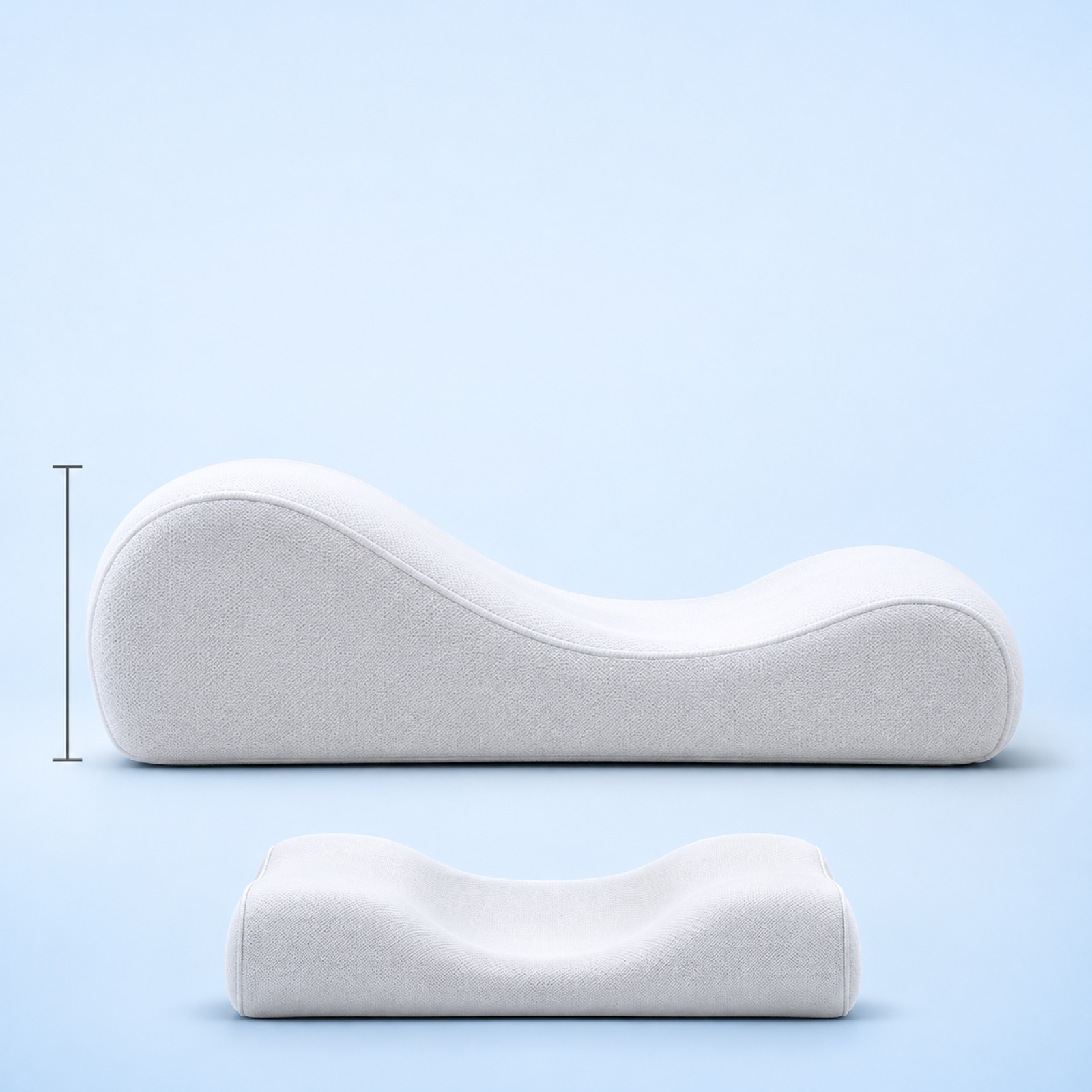
This is a hypothetical example. Open with a large side-view photo of the pillow and the line, “Choosing pillow height from a front-view photo alone?” In the next scene, show front and side views of the same product in sequence. If the product’s height has been verified, briefly display that measurement, then close with “View detailed dimensions.” Fill the frame so viewers can see the contours and edges, rather than showing a small image of the entire product.
This format focuses on helping shoppers examine the shape and height. It does not try to use photos to prove comfort or physical changes. To adapt it to your product, prepare front and side photos and verified dimensions. In AdForge, choose a reference that explains the product’s shape step by step, then add your product photos and height information. Check the photo sequence in the generated script and storyboard, and revise any unsupported statements about suitability for a particular sleeping position.
2. A material detail video that shows the surface up close
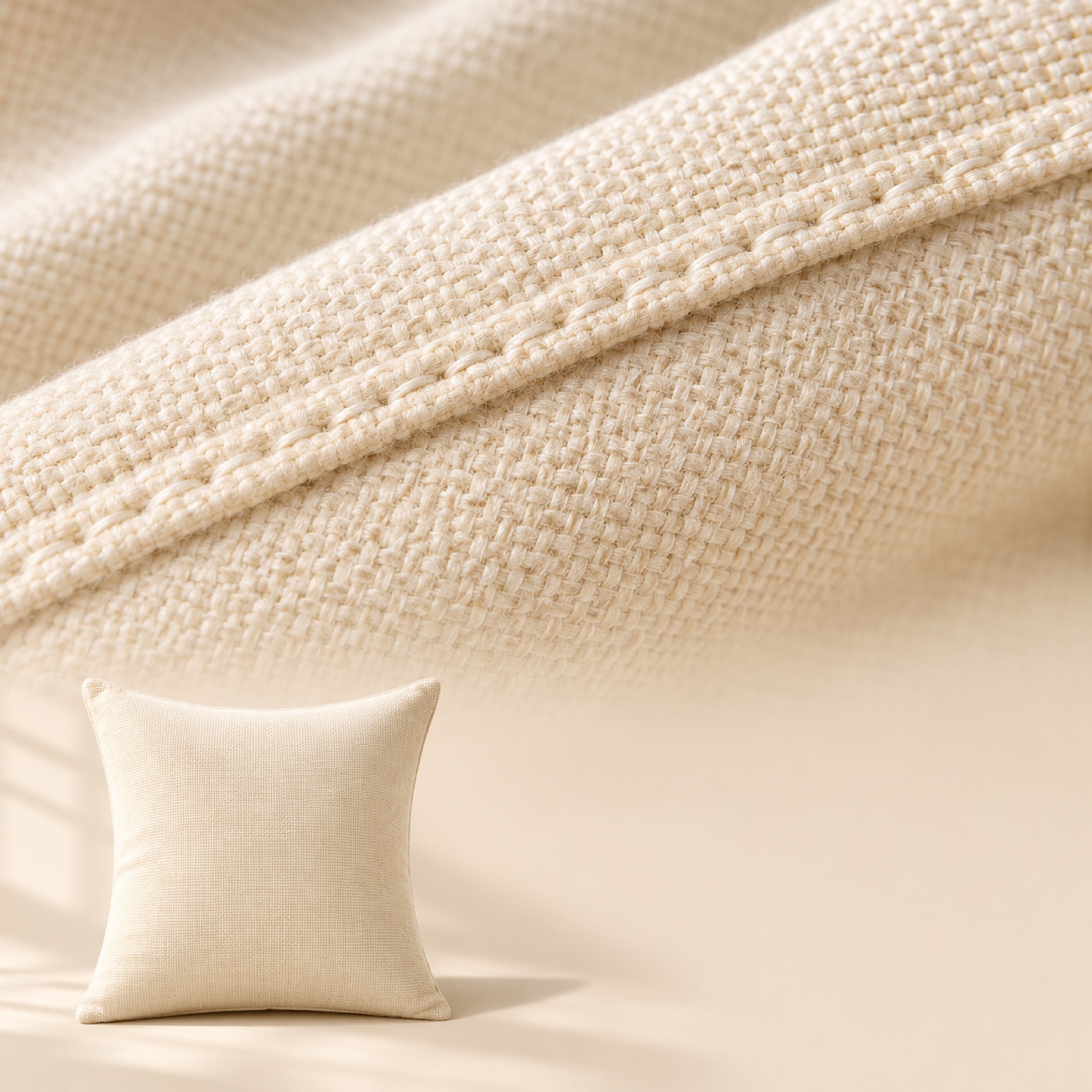
This is a hypothetical example. Start with a short close-up clip of the pillow cover’s surface. Follow the caption “Take a closer look at the cover’s surface” with shots of the fabric weave, seams, and the full product. Use a consistent light cream background and give viewers just one detail to examine in each scene. TikTok’s Home & Living guide also suggests product-focused content as a creative direction. However, the guide is intended for Europe and should not be interpreted as evidence of pillow ad performance in Korea.3
The aim of this example is to connect abstract material descriptions with the actual surface. Video has limits when it comes to conveying how something feels, so describe the visible weave and verified material information instead of making definitive claims about softness or coolness. In AdForge, use an ad that moves from detail shots to a full-product view as your reference, and add your own surface footage and product photos. Check that the fabric pattern and seams in the output match the actual product, and regenerate only the scenes that need changes.
3. A care guide that follows the cover-removal process
This is a hypothetical example. If the product has a removable cover, start with a short clip of the zipper being opened. Use “How do you remove the cover?” as the opening line. Then show the cover being taken off, the cover and pillow insert separately, and the care instructions shown on the product. Close with “See full care instructions.” If the cover cannot actually be removed, do not use this sequence; adapt it to the product’s actual care process.
This format answers care questions shoppers may have before buying through a sequence of scenes. A short action clip can demonstrate the steps without lengthy explanatory text. To make it for your product, first capture the removal process and the care label. Add those assets and verified care information to AdForge, then adjust the generated storyboard to match the actual sequence of actions. If the cover and insert have different washing requirements, clearly identify which one you mean in both the narration and captions.
4. A bedtime setup video that changes the arrangement on the bed
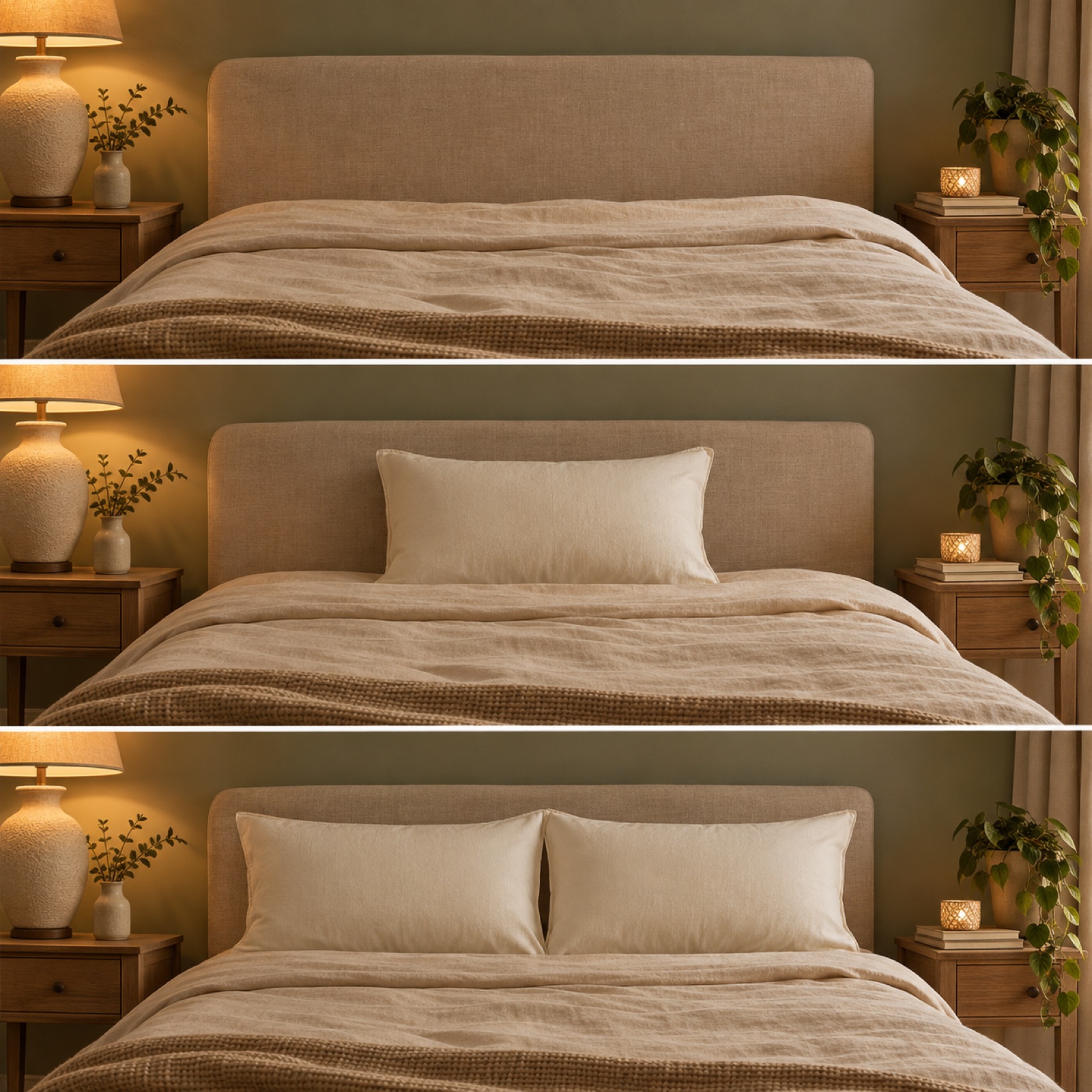
This is a hypothetical example. Place the line “Before bed, start by tidying your bed” over a photo of an empty bed. Then show a photo with one pillow in place, a photo with the pillow arranged alongside the bedding, and a standalone product photo, in that order. This format can be prepared without anyone appearing on camera. The message is the pillow’s appearance and how it looks in a bedroom, rather than an effect on sleep quality. Before-and-after arrangement photos taken from the same angle make the changes between scenes easier to explain.
Use this example to follow the production process in AdForge. Search the ad library for bedroom or household product ads, and save ads with useful photo transitions and product introduction sequences. Review the analysis of each saved ad’s hook, pacing, shots, and captions, then choose a reference to remake. When registering your product, populate its information using the product page address or enter the product information and selling points yourself, then upload the bed arrangement photos and product photos.
In video production, select Korean as the language and review the AI-generated script and storyboard. Manually revise any lines that describe usage scenes absent from the photos or make definitive claims about improved sleep. In the output, which includes AI narration, word-by-word captions, and background music, check the product’s shape, photo sequence, and pronunciation. Regenerate any scenes that need changes, then download the finished video. Use your existing ad management tools to upload and run the ad and review its performance.
5. A conversational format that alternates questions with product assets
This is a hypothetical example. Display the question “What do you check first when choosing a pillow?” and place the scripted line “I check the height first” over a side-view photo. Then alternate the question “What about the cover?” with cover detail footage. In Korea, a production casting request sought people to introduce a pillow through a mother-and-daughter interview or video-call format. This material indicates production demand for that format; it is not a finished ad or a performance case study.1
If you are using only existing assets, connect the question captions and product explanations with AI narration. The key is to avoid presenting scripted answers as actual customer reviews. If you want a real mother-and-daughter interview, you will need to film the participants and obtain usage rights separately. In AdForge, use an alternating dialogue sequence as your reference, add your product assets, and adjust the order of the questions and answers in the script. Keep each video focused by including only related questions, such as height and cover details.
If you cannot find enough conversational pillow video ad references, also look at ads for other household products that explain the product through questions and answers. TikTok Top Ads provides region and industry filters, along with analysis of individual video segments.2 As you review references, note which questions are followed by product shots. Bring the question structure into your own ad, but write new answers based on verified information about your product. If you have no footage of people, you can start with a Q&A draft built around product photos.
Key takeaways
Pillow video ads are easier to develop when you start with questions your existing assets can answer. Connect side-view photos with height, surface footage with materials, and removal footage with care instructions. Choose the example for which you have the most complete assets, create a Korean-language draft in AdForge, and refine it to match the actual product.
FAQ
Can I make a social media video ad using only pillow photos?
Yes. Front-view, side-view, and bedroom arrangement photos can be used to draft a height explainer or bedtime setup video. Add a reference, product photos, and your message to AdForge, then review the script and storyboard. Do not extend the explanation to resilience or usage benefits that the photos cannot establish.
Which example should I choose for my first ad creative?
Choose the format for which you have the clearest supporting assets. If you have side-view photos and dimensions, use a height explainer; if you have footage of the cover being removed, use a care guide. To compare two drafts, keep the product information and closing call to action consistent and start by changing the opening scene.
Can I make a conversational ad without actual users?
You can alternate question captions with product explanations. However, you must not present scripted dialogue as an actual buyer’s experience. To use a real interview, obtain separately filmed footage and the rights to use it.
What should I take from a reference when making a similar ad?
Use the opening question style, information sequence, visual composition, and the role of the call to action as references. Create new content using your own product information, photos, and footage. Before downloading the AdForge output, also check that the product’s shape, dimensions, and care instructions are accurate.
Related reading
Make your next ad with AdForge
AdForge (ad-forge.io) is an ad remake app: pick an ad you like and rebuild it as a video or image ad for your own product. Find references in the Meta and TikTok ad libraries, let AdForge write the script, AI narration and captions, then review and download. Every account starts with 12 free image ads.