5 Instagram Candle Ad Examples: Conveying Scent Through Photos and English Copy
When people cannot smell a fragrance through a screen, show its name alongside a scene where they might use it. Here are five ad concepts you can create with your existing photos, from product showcases to behind-the-scenes stories.

If you are looking for Instagram candle ad examples, start by choosing one question your photo should answer. The composition will change depending on whether you want to show an attractive vessel, describe the scent, suggest when to light it, or identify a gift recipient. All five examples below are hypothetical. Review the English copy, photo placement, and AdForge workflow for each concept, then start with the one that fits your available assets. Descriptions of potential effects reflect the creative intent, not verified advertising results.
1. Product showcase: Make the vessel and scent name prominent
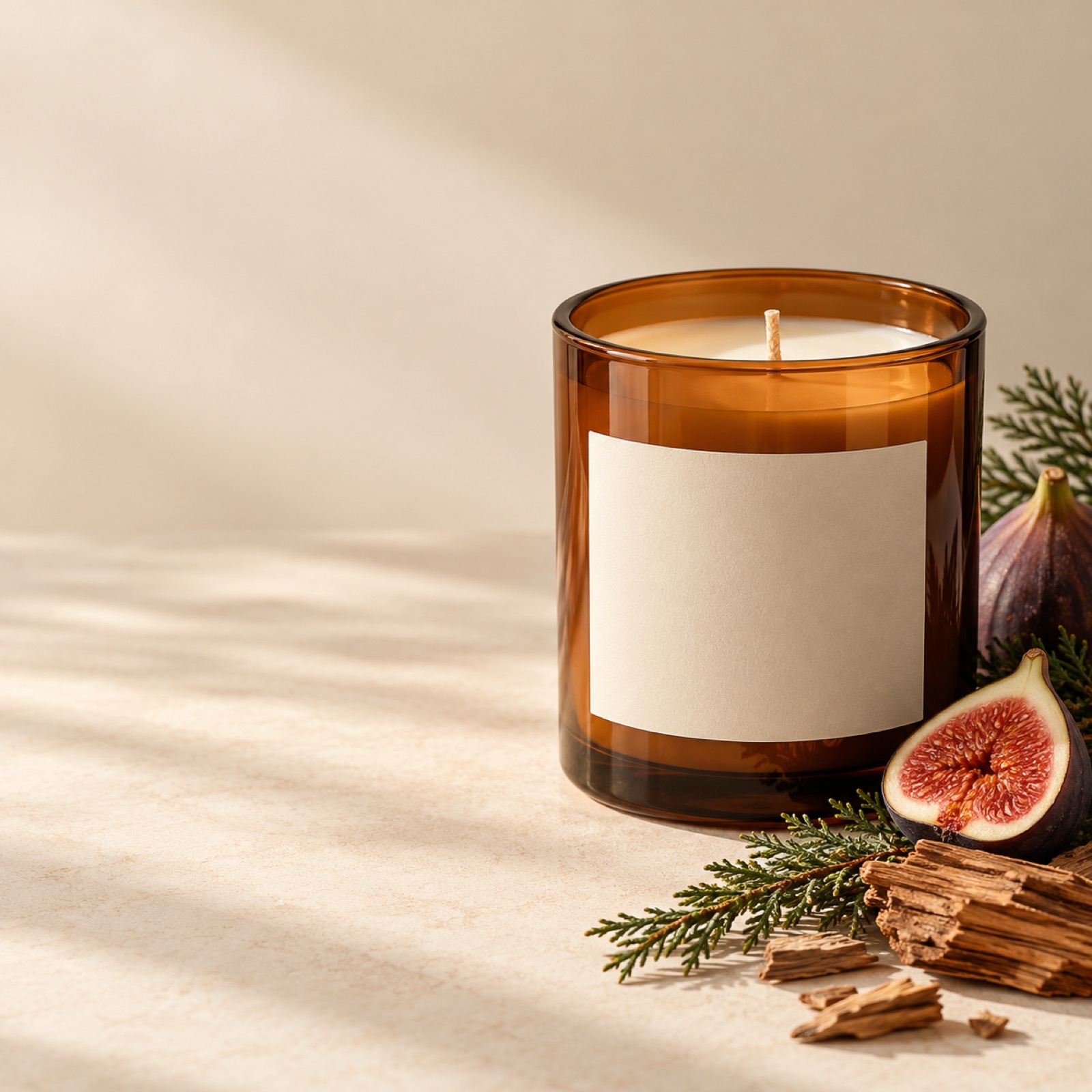
This is a hypothetical example. Place a large photo of an amber glass candle on the right against a cream background, with “Cedar & Fig” as the largest text on the left. Underneath, add a one-line scent description that matches the product information and “Explore the scent.” This composition directs attention to the vessel and label before decorative elements. Copy placement, product photography, and white space were also discussed in feedback on an actual candle ad design.1 When adapting it for your product, choose a background color based on the contrast between the vessel color and label, and limit the supporting description to one point beyond the scent name.
On AdForge’s ad reference selection screen, choose an image ad that features the product prominently and leaves plenty of space for copy. At the product information step, populate the details using the product page address or enter the product information and selling points, then upload an actual photo of your candle. Include the scent name, a short description, and a call to action in the message. For image ads, AdForge creates three drafts following the reference layout. When reviewing the results, compare the label, vessel shape, and English spelling with the originals, then download the version in which the product is clearest.
2. Scent notes: Explain an invisible fragrance through ingredient imagery
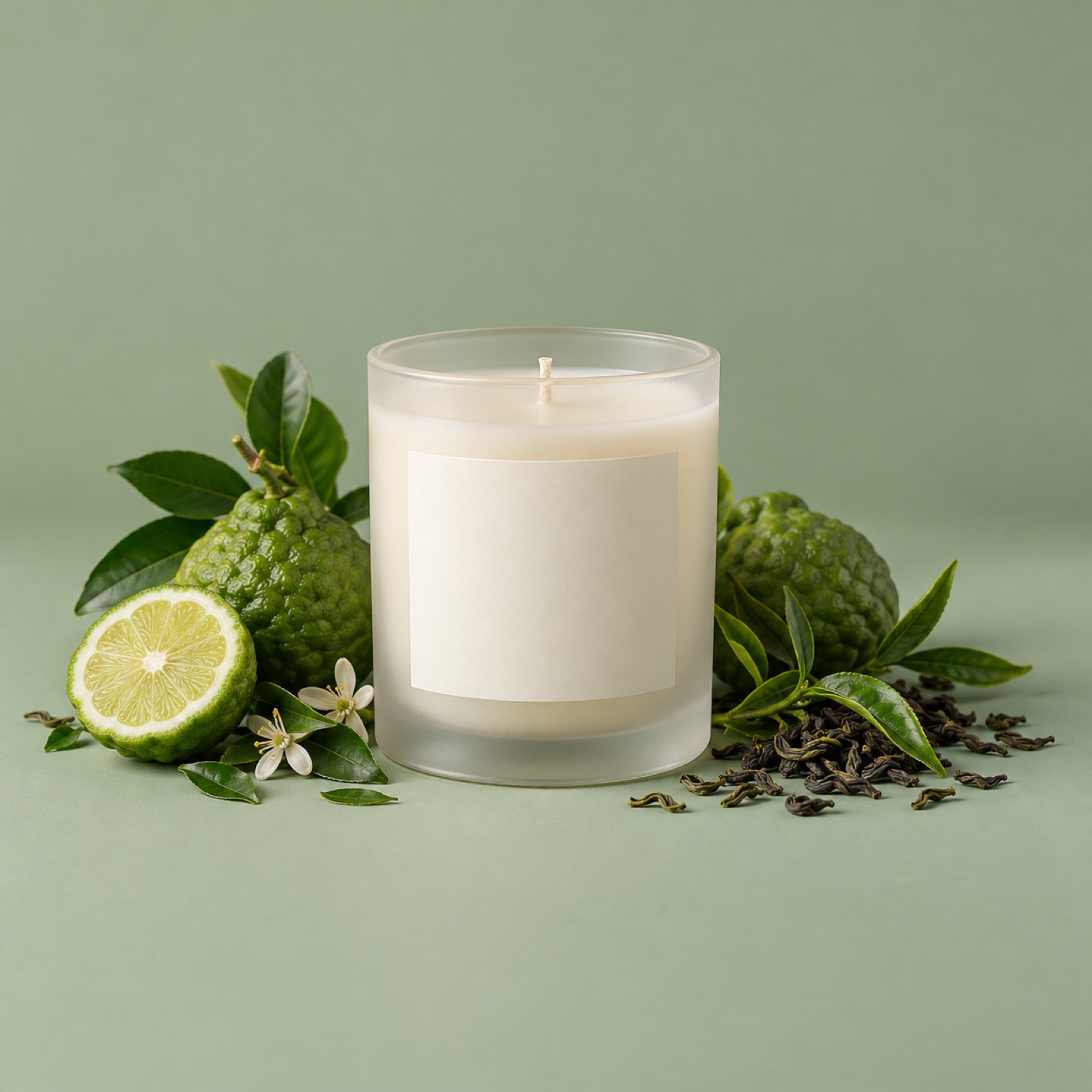
This is a hypothetical example. Place the candle in the center of a pale green background, with small images evoking bergamot and tea leaves around it. Put “Bergamot. Tea. A little quiet.” at the top and notes that match the actual scent information at the bottom. The ingredient imagery is intended to help people understand the scent, so check that the copy does not imply those ingredients are actually present. Yankee Candle sponsored content includes examples connecting scent notes with everyday moods. These are references for sponsored content, not evidence of paid ad performance.3
This concept suits products whose scent differences are difficult to explain through vessel photos alone. To adapt it for your product, select notes from the official scent description that consumers can easily imagine, and make them the focus of the copy. In AdForge, choose an image reference that keeps the product separate from the surrounding elements, then enter the actual product photo and verified scent information. Prepare supporting photos that you have permission to use as well. In the results, check that plants or fruit have not become larger than the product and that scent notes have not been rewritten as descriptions of actual ingredients. The key is to consider what buyers will expect after reading the scent description.
3. Lifestyle mood: Show the moment for lighting the candle
This is a hypothetical example. Set a book and candle in a deep navy evening interior, framing a warmly lit table at the center of the image. Use “For your after-work chapter.” as the main copy, with the scent description in smaller supporting text. The intention is to evoke reading after work rather than describe the scent through abstract adjectives. Yankee Candle sponsored content also includes examples connecting candles with time spent at home and seasonal moods.3 Do not expand the message into unverified benefits such as better sleep or stress relief.
To create a version for your product, first choose a time and place where your customers would realistically use it. For a bright citrus scent, you could suggest a sunlit living room on the weekend instead of the same evening scene. In AdForge, select a reference built around an everyday setting, then add your product photos and any photos or videos you have of the space. When creating a video, select English and review the opening scene and the order in which the product appears in the AI-written script and storyboard. Check the result, which includes English narration, subtitles, and background music. If a scene feels awkward, you can regenerate that scene individually.
4. Gifting occasion: Start with who the gift is for
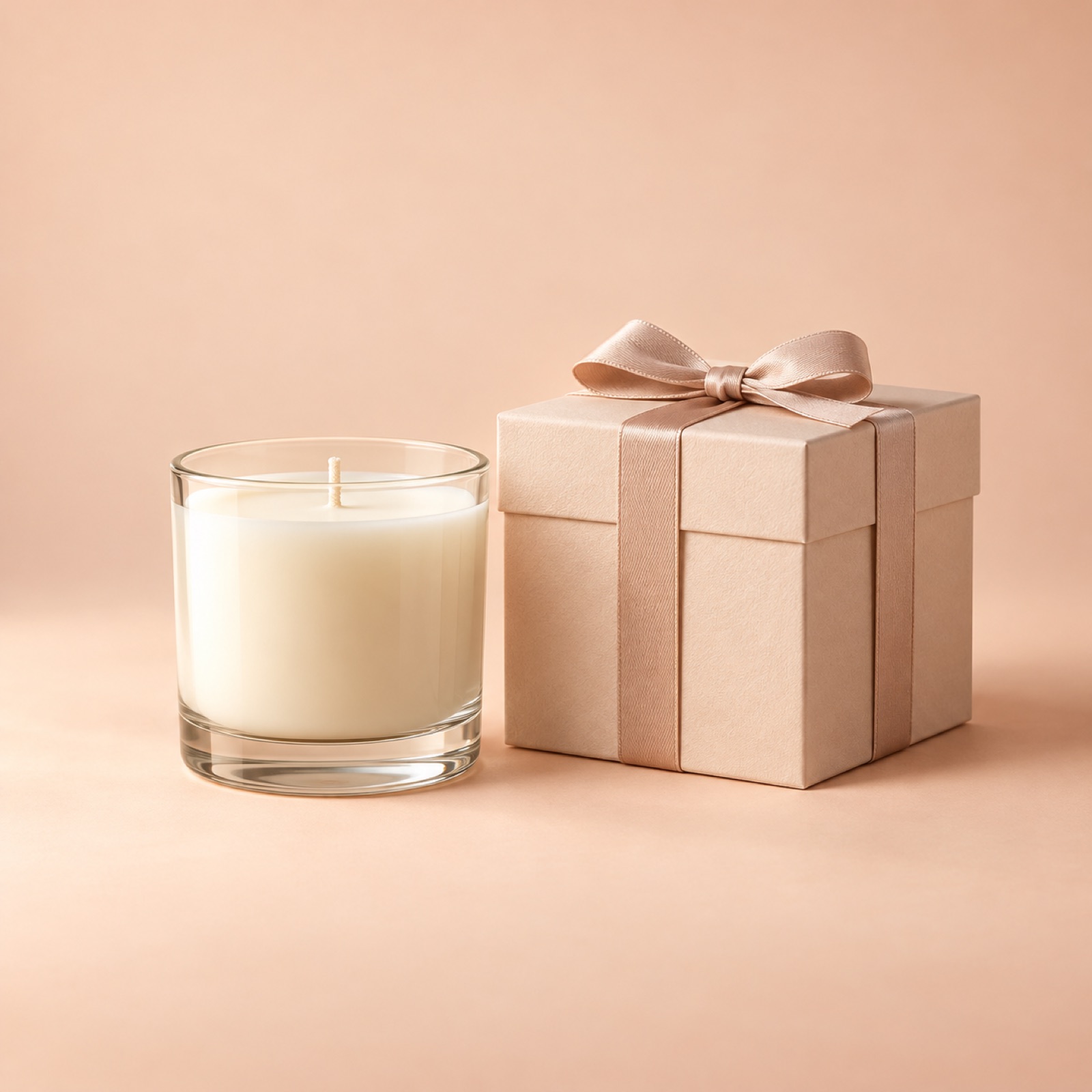
This is a hypothetical example. Place a candle beside the packaging box you actually sell against a pale peach background. Use “A little thank-you for your favorite host.” at the top and “Find their scent” at the bottom. This approach leads with the occasion: a thank-you gift for someone who invited you into their home. An actual reference, a 2022 ad record from Anecdote Candles, combines the occasion of a gift for a coworker leaving for another job with a customer review and a discount message. It should not be interpreted as a case with verified current delivery or performance.2
To adapt this for your product, choose one occasion—such as a thank-you gift, housewarming, or birthday—and write copy that suits the recipient. If the packaging is sold separately, make sure the description prevents the photo from implying that it is included as standard. In AdForge, choose a reference featuring a product and box together, then enter photos of the actual items included and your gift message to create image drafts. Do not reuse reviews or discount copy from the reference ad; include only information you have verified yourself. Check that the box size and included items match the actual sales offering, then download the result.
5. Making story: Find a reason to choose the product in how it is made
This is a hypothetical example. Place a wide photo you have of wax being poured at the top, with a photo of the finished candle and “From our worktable to your shelf.” below. This composition shows the process alongside the finished product to explain the background to how it is made. There is also an original post in which a new candle seller wonders what to talk about beyond the product itself.4 However, the making-story concept is an editorial direction proposed here, not a verified success story. Use it when you have photos of the actual process and can explain why that process matters to someone choosing the product.
When adapting this for your product, choose one production step you can substantiate. If your candles are not hand-poured, do not imply that they are. Instead, tell a story that matches your available assets, such as the scent-blend review or packaging process you actually carry out. In AdForge, select a video reference that connects the process with the finished product, then add your work photos, videos, and product information. Check that the English script and storyboard describe things your assets can support, and revise any sentences that need it. Download the finished ad and upload it yourself to your existing ad management tool, where you will also run the campaign and check performance.
Key takeaways
Build each candle ad around one focus: the product’s appearance, scent notes, the time it is used, the gift recipient, or the making process. Create English drafts using a concept that fits your available photos, then compare a different reason to buy in your next creative.
FAQ
Which concept should I start with if I only have one product photo?
Start with the product showcase. Add the scent name and a short description to a photo that clearly shows the vessel and label. Once you have assets showing a living space or the making process, try expanding into those concepts.
How can I shorten an English scent description?
Separate verified scent notes from the suggested occasion for use. For example, you could introduce the scent with the hypothetical copy “Cedar & Fig” and suggest a setting with “For slow evenings.” Check that the wording matches the actual fragrance.
Do I need to test all five concepts at once?
Start by comparing two concepts you can accurately create with your available photos. If you present the same product in a product showcase and a lifestyle mood ad, you can examine how responses change depending on what you show. Check performance in your existing ad management tool.
Can I publish a candle ad made with AdForge right away?
First review the product shape, label, scent information, sales offering, and English copy. You also need to check that you have permission to use the uploaded assets. Download the reviewed creative and upload it yourself to your ad account. Automated campaign delivery is not yet available.
Make your next ad with AdForge
AdForge (ad-forge.io) is an ad remake app: pick an ad you like and rebuild it as a video or image ad for your own product. Find references in the Meta and TikTok ad libraries, let AdForge write the script, AI narration and captions, then review and download. Every account starts with 12 free image ads.